Field notes: the covenant test that passed on the mine's numbers and failed on ours
A production covenant cleared on the operator's reported tonnage. The independent elevation check told a different story. Notes from one quarter.
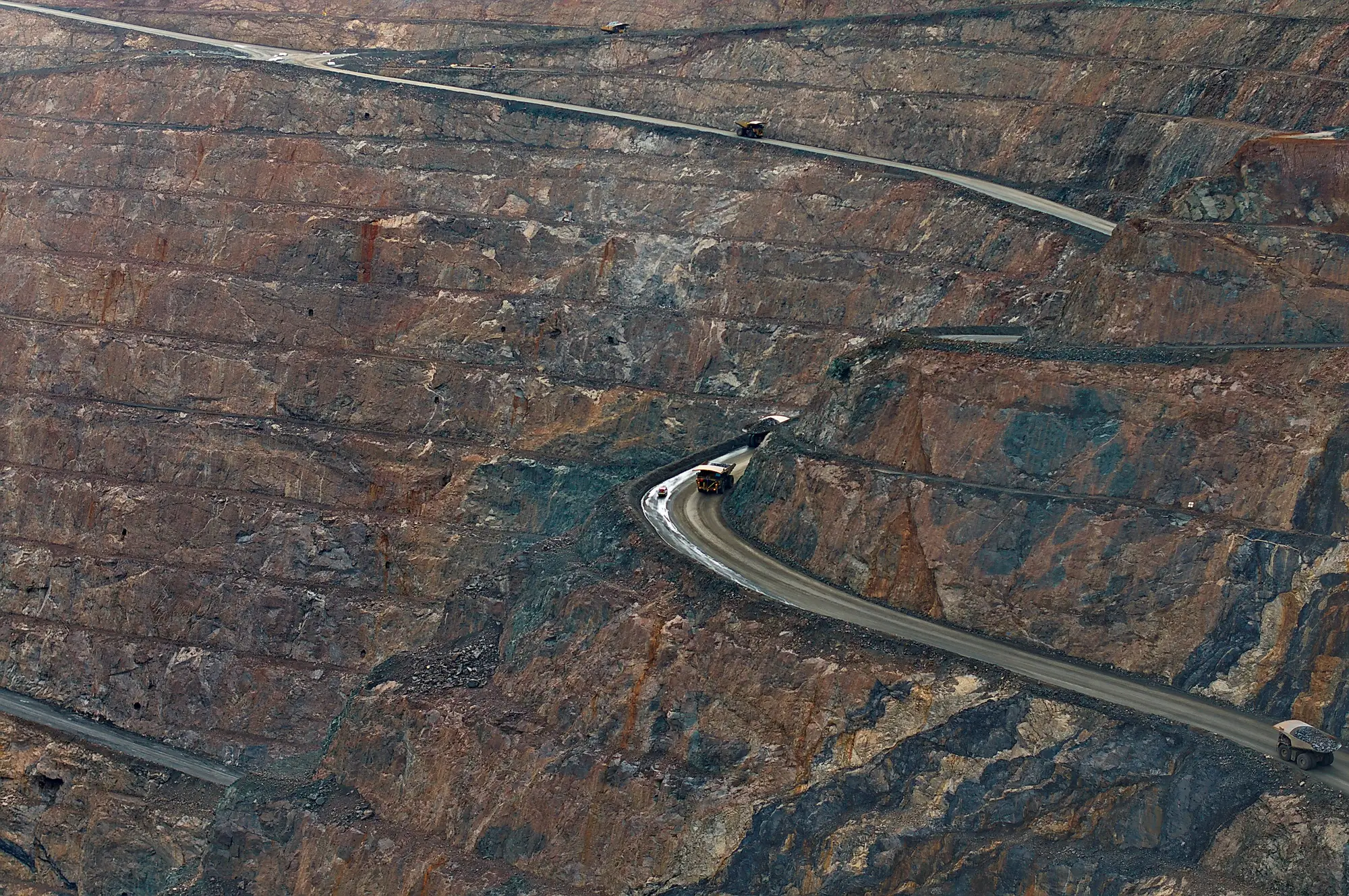
A production covenant in a mid-size open-pit loan agreement is usually written around a single number: tonnes moved per quarter, reported by the borrower, reconciled against the mine plan. Most quarters, nobody looks past that number. The quarter I'm thinking about, somebody did.
The covenant test cleared. The mine's quarterly report showed extraction tracking two percent under plan, well inside the cure period the agreement allowed. On paper, fine. The lender's asset manager ran an independent elevation check anyway, partly out of habit and partly because the mine's stripping ratio had been drifting in a way the monthly updates didn't quite explain.
The elevation-based figure came in closer to twelve percent under plan.
That gap doesn't mean anyone lied. It usually doesn't. A mine's internal tonnage number comes from survey pickups, truck counts, haul-cycle estimates, and a dispatch system that's built to run the pit day to day, not to produce a defensible third-party figure for a covenant test. Haul counts get missed on shift changes. A survey pickup from six weeks ago gets carried forward because nobody's walked that bench since.
Ore and waste get bundled into one number when the loan agreement cares about movement, full stop. None of that is fraud. It's just that the number was built for a different job than the one the covenant is asking it to do.
An elevation difference across the pit, taken from one month to the next, doesn't care what the dispatch system logged. It measures what actually came out of the ground, independent of who reported it and why. In this case the gap wasn't explained by a reporting error at all. The operator had reprofiled a section of the north wall for geotechnical reasons, pulled material from a different bench than the plan called for, and the net volume moved was real, just not where the plan said it should be. The mine's own number, built around planned-bench reconciliation, hadn't fully caught the reshuffle yet.
Here's the part worth sitting with: the covenant passed on a number that was already stale by the time anyone read it, and would have stayed stale through the next reporting cycle if nobody had checked. The borrower wasn't hiding anything. The internal number just lagged what the ground showed, and a lagging number inside a quarterly cure window is exactly the kind of gap a covenant exists to catch.
This is the quiet argument for running an elevation-based read alongside the reported figure rather than instead of it. The two numbers measuring different things, surface change versus internal accounting, means they're supposed to be close but not identical, and when they diverge by more than a rounding error, that divergence is itself the signal. Not proof of anything. Just a reason to ask the operator a specific, bench-level question before the next draw request goes out instead of after.
For a lender or a project team sitting outside the gate, that's the value of a volume figure nobody on site produced: it doesn't need the mine's explanation to exist in the first place. You can ask the question with the number already in hand. That's a different conversation than calling the site manager and asking them to explain their own report back to you.
Pit Progression builds exactly that second number, a monthly moved-material figure from stereo imagery with the two elevation surfaces behind it, so the read isn't dependent on whoever filed the last production update. If your next covenant test is riding on someone else's tonnage figure, it's worth seeing what an independent monthly volume read looks like before the cure period opens, not after.
Run the numbers side by side once, and decide for yourself how much daylight you're comfortable leaving between them.