Blog
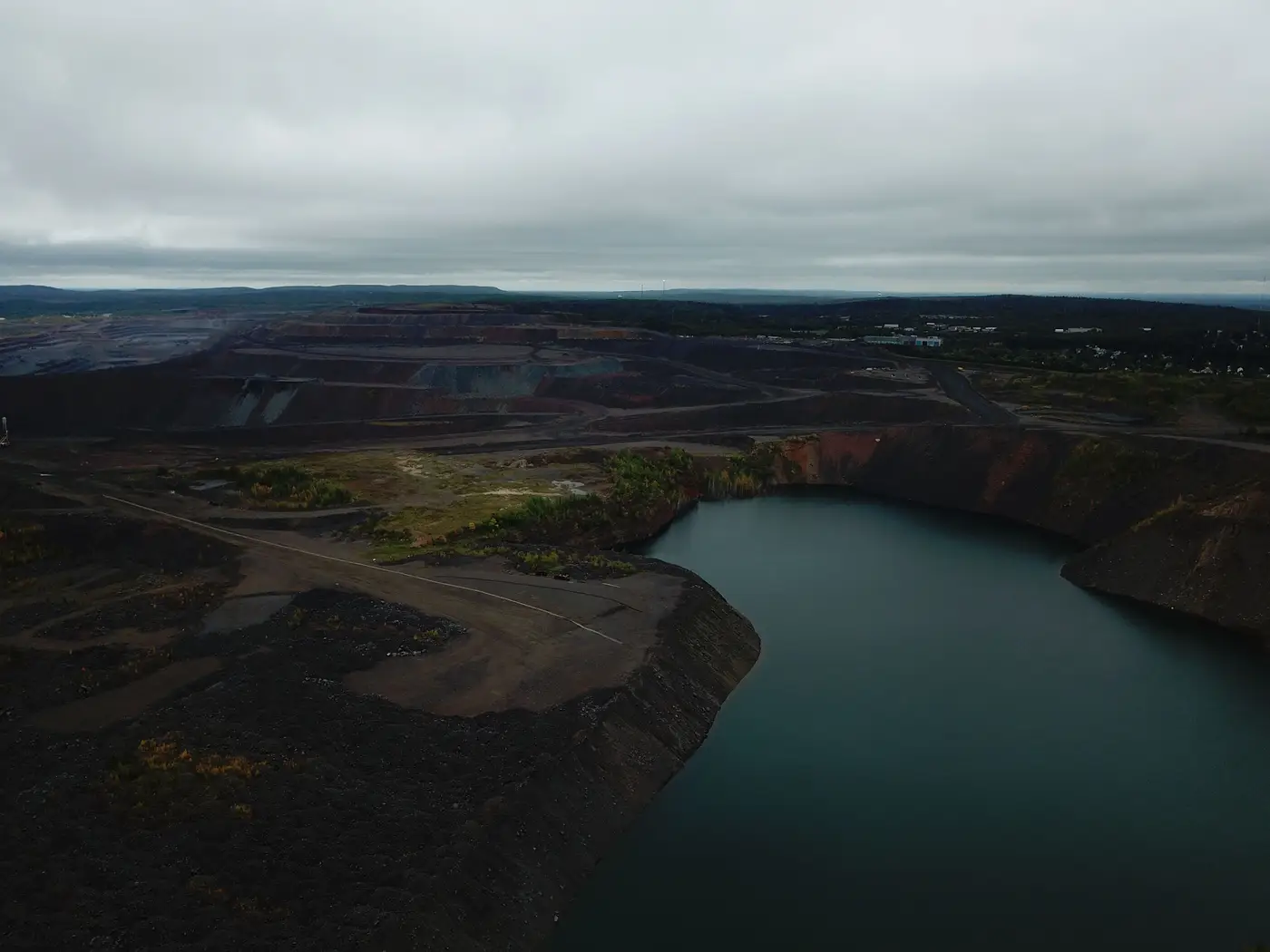 The month the clouds didn't clear and the covenant date didn't move
A field note on what happens when the wet season sits on top of the pit right when the reporting date in the loan agreement arrives.
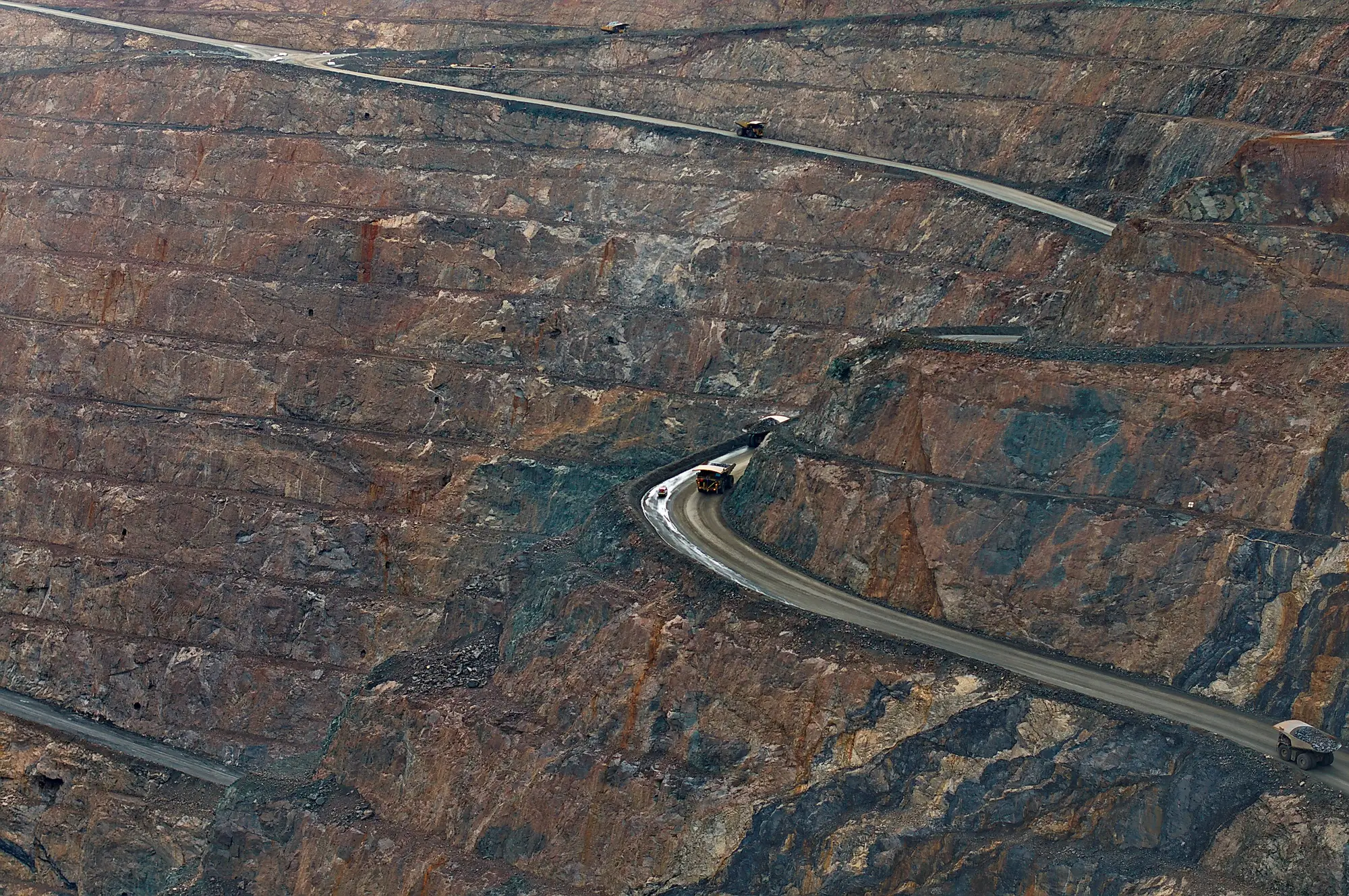 What is a cure period, and how does it apply to a missed extraction covenant?
A plain explanation of cure periods in mine loan agreements and how they work when a production or extraction covenant gets missed.
- How to separate haul road regrading from real extraction in a monthly pit volume read
A raw elevation diff across a pit nets haul road cut-and-fill in with ore and waste movement. Here's how to pull those apart before you report a number.
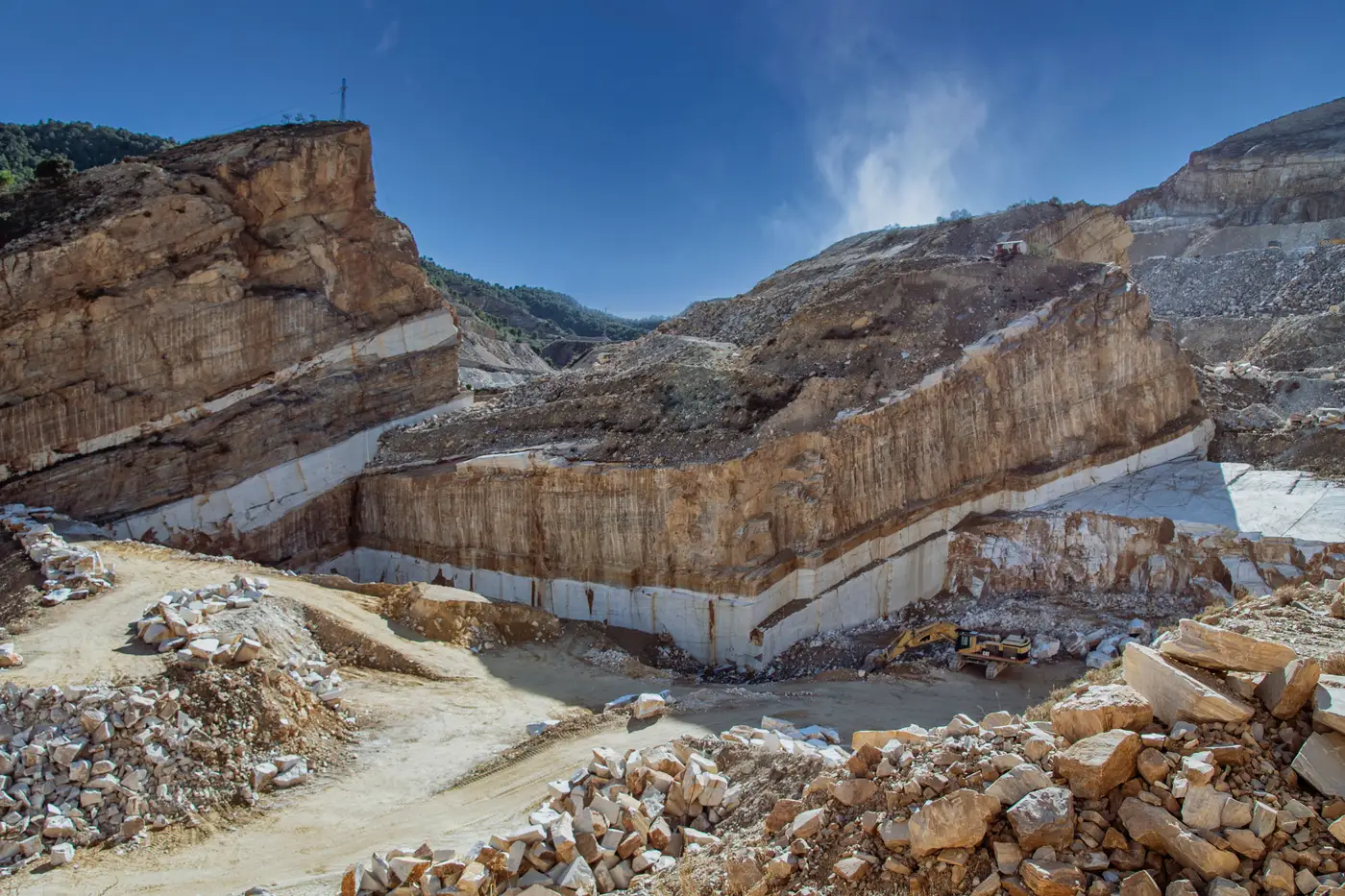 Moved material: why your mine plan and your loan covenant aren't counting the same thing
A mine plan's tonnage categories and a loan covenant's volume test measure different questions. Here's how the two numbers diverge and how to reconcile them.
- Field notes: the covenant test that passed on the mine's numbers and failed on ours
A production covenant cleared on the operator's reported tonnage. The independent elevation check told a different story. Notes from one quarter.
- What is ore dilution, and why a pit volumetric read won't show it
Ore dilution lives in the grade, not the moved volume. Why a monthly pit elevation read can't catch it, and what reconciliation does.
 How to check a satellite pit volume against the surveyor's monthly pickup
A practical walkthrough for lining up a remote-sensed pit volume with the site surveyor's monthly pickup before you flag a gap.
- In-situ density and the bank cubic metre to tonne conversion
In-situ density is what turns a pit's elevation-based volume into a tonnage figure. How the density factor works, and where it goes wrong.
- Field notes: the month our number and the mine's number finally matched
A field note on the month an independent elevation read lined up with the mine's own extraction figure, and why that convergence is worth more than it sounds.
- What is a mine plan variance, and why lenders check it every month
A plain explanation of mine plan variance, how production schedule variance shows up in a monthly extraction report, and why lenders track it every month.
- How to read a mine's annual technical report for production guidance
Where production guidance lives in an NI 43-101 technical report, and why the numbers on the page stop being the whole story once mining starts.
- What is a competent person's report in mining finance?
What a CPR covers under JORC, why lenders require one before funding a mine, and where it stops short of monthly extraction tracking.
- How often should a mine report extraction progress to lenders?
Most extraction-linked loans set a monthly reporting cadence. Here's what that should include and when a borrower-reported number needs an independent check.
- What is a completion test in mine project finance?
What a completion test is in mine project finance, how it differs from an ongoing production covenant, and who certifies the result.
- How often should an open pit be resurveyed for reserve reconciliation?
Monthly is the usual answer for open-pit reserve reconciliation, but the interval matters less than who's doing the survey. Here's how to set your cadence.
- Satellite stereo imagery vs. lidar for open pit volume surveys
How stereo photogrammetry and airborne lidar each build a DEM for pit volume work, and why the choice comes down to mobilization versus tasking.
- Bank cubic metres vs. tonnes: what the numbers actually mean
BCM, tonnes, loose cubic metres and swell factor explained for mine planners and financiers reconciling extraction against plan.
- What triggers a production covenant breach in mine project finance
A rundown of how minimum production covenants are structured, what trips them, and why the reported tonnage number matters so much.