Field notes: the month our number and the mine's number finally matched
A field note on the month an independent elevation read lined up with the mine's own extraction figure, and why that convergence is worth more than it sounds.
It happens maybe once or twice a year, and it's always a little anticlimactic. The elevation difference comes back, you run it against the density assumption, and the moved-material figure lands within shouting distance of what the mine reported for the same period. No drama. No reconciliation call. Just two numbers sitting next to each other on a spreadsheet, agreeing.
The first time it happened to me, I checked my work twice. I'd gotten used to the gap being the whole point, so a clean match felt like I must have missed something. Most months there's daylight between what a site reports and what an outside read of the pit shows. Sometimes it's a stockpile that got double-counted. Sometimes it's a bench that moved on paper before it moved on the ground.
Sometimes the mine's own survey crew hasn't closed out the month yet when the report goes to the lender. None of that is necessarily dishonest. It's just the normal slop you get when one party is grading its own homework and the deadline is real.
So when the numbers line up, it tells you something narrower than it first sounds like it tells you. For this one period, on this one pit, the two independent methods happened to describe the same physical reality closely enough that nobody has to argue about it. That's a narrower claim than "the operator is honest," and it's the more useful one, because it's a claim you can act on without taking anyone's word for anything.
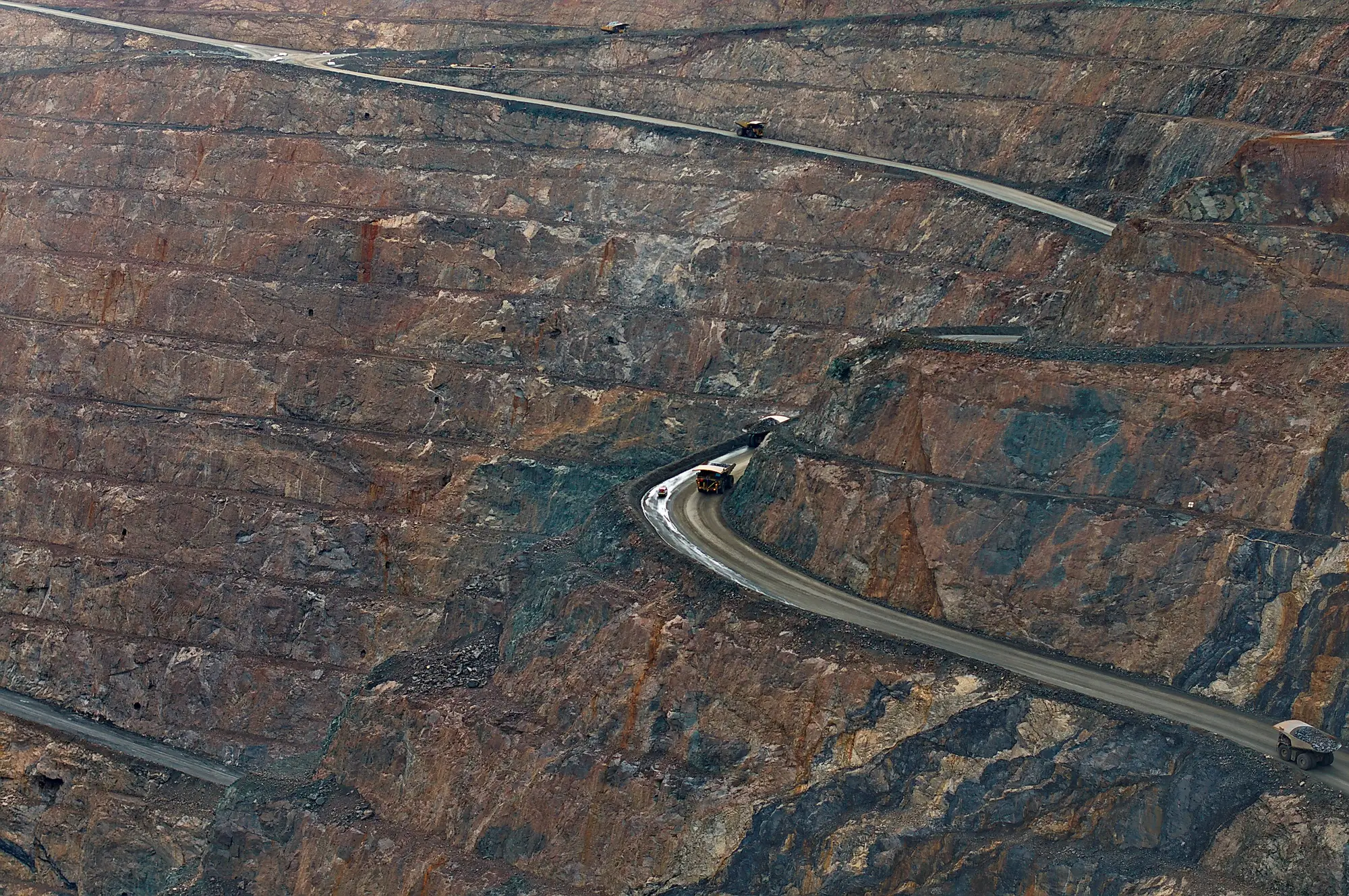
What struck me, reviewing the surfaces afterward, was how little the agreement had to do with the mine trying harder that month. The crew wasn't doing anything differently. What had changed was that the pit geometry that month happened to be clean. Simple benches, no partial lifts straddling the measurement window, no haul road regrading eating into the footprint. A tidy month, geometrically. The kind where an elevation difference is unambiguous and a ton-count is unambiguous, and there isn't much room for the two to diverge even if someone wanted them to.
That's the part worth sitting with if you're the one signing off on a draw or checking a covenant against a mine plan. The months that match work like a control group: they show you what agreement looks like, so you recognize disagreement when it shows up. More importantly, they keep you from assuming disagreement means someone's cooking the books. Most of the time it means the geometry that month was messy, the measurement windows didn't line up cleanly, or someone's counting a different volume than you think they're counting.
An independent read settles that by giving you a second line on the chart, built the same way every month, regardless of how the site's own reporting cadence or internal politics shifted underneath it.
I've stopped expecting the two numbers to match, honestly, and started paying attention to whether the gap is stable. A pit that's consistently five or eight percent off your own read in the same direction, month after month, is a pit you understand. A pit that's dead on one month and wildly off the next is the one that needs a phone call. You only get to tell the difference if you've got your own number sitting there every month regardless of what the site hands you, which is the whole reason an outside elevation-based read earns its keep even in the months it agrees with everyone.
That's really what a monthly volume read built off the elevation surfaces themselves is for. Not to catch anyone lying, mostly to give you a line on the chart that was never anyone else's to adjust.
If you're tired of waiting on someone else's month-end number to know where the pit stands, it might be worth getting your own.