How often should a mine report extraction progress to lenders?
Most extraction-linked loans set a monthly reporting cadence. Here's what that should include and when a borrower-reported number needs an independent check.
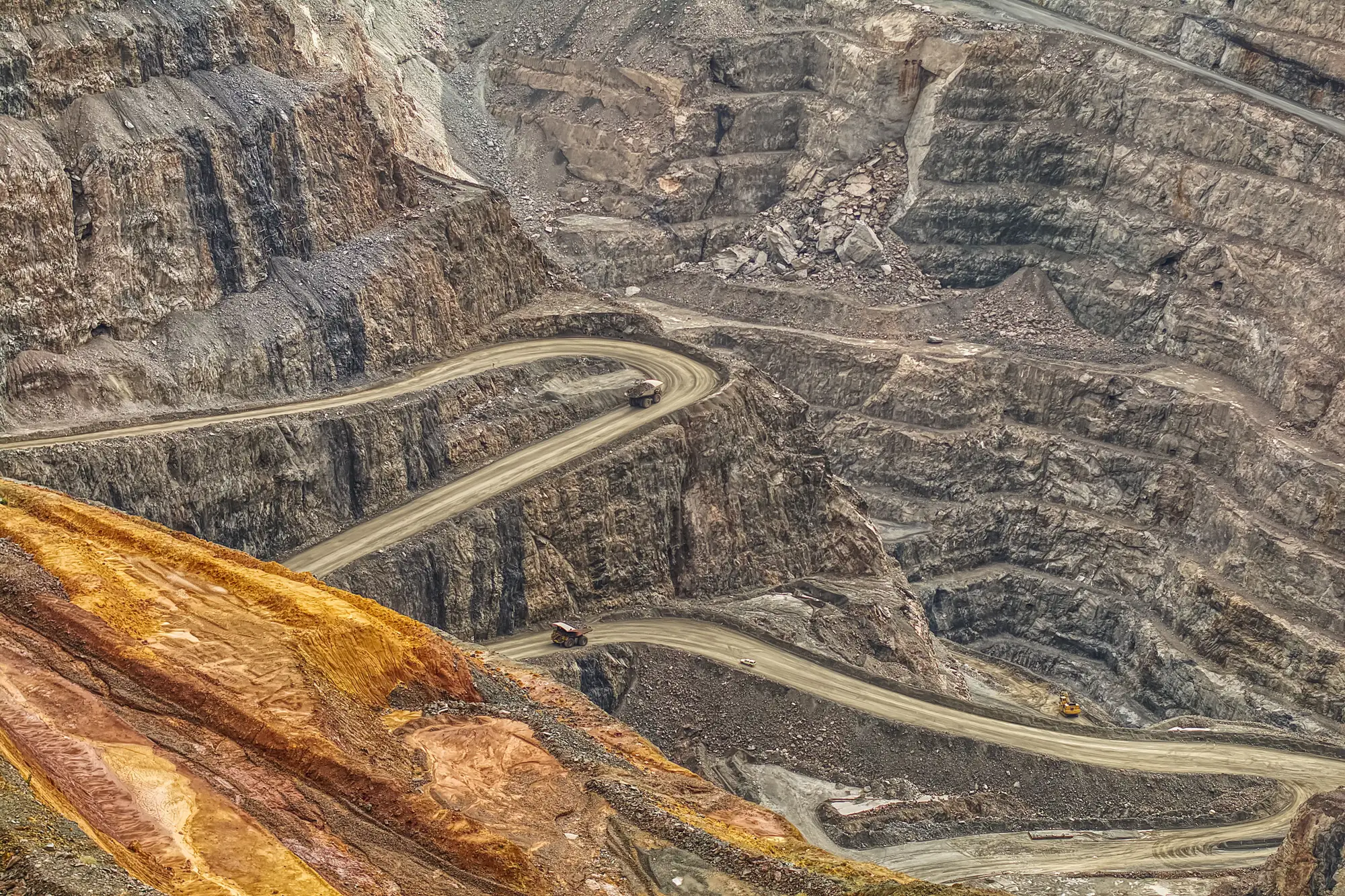
Most extraction-linked loan agreements set the reporting clock at monthly, with a quarterly reconciliation against the annual mine plan. That's the baseline you'll see in the covenant package for the majority of project finance and royalty-backed debt tied to an open pit. But "monthly" in the loan document and "monthly" in practice aren't always the same thing, and that gap is where most of the friction between borrowers and lenders shows up.
Why monthly is the default, not quarterly
A mine plan is built in monthly increments for a reason. Blast sequences, haul routes, and stripping ratios shift pit by pit and bench by bench, and a quarterly look-back can hide two months of underperformance behind one strong month. Lenders who've been burned by a Q3 "catch-up" report that smoothed over a rough July and August tend to tighten the cadence on the next deal. If your covenant currently reads quarterly, ask how it got written that way. In a lot of cases it's a legacy term carried over from a different commodity or a different mine life stage, not a deliberate choice for this pit.
Monthly also lines up with how most operators already track their own production internally, through survey pickups, truck counts, or scale data. The reporting obligation to the lender is rarely asking the mine to do new work. It's asking them to share what they're already tracking, on a schedule the lender can build a drawdown or covenant test around.
What a monthly production update is supposed to answer
A production update isn't just a tonnage figure. For loan monitoring purposes it needs to answer three things: how much material moved this period, how that compares to the plan for the same period, and whether the trend changes anything about reserve depletion or mine life. A number with no plan comparison attached is close to useless for covenant testing, and a plan comparison with no trend context just restarts the argument every month.
This is also where the cadence question gets tangled up with a trust question. A monthly cadence only works if the number arriving each month is one the lender can act on without a separate verification step. If every report triggers a round of calls to the site team to confirm the figure, you don't have a monthly reporting cadence. You have a monthly argument that happens to recur on a schedule.
When the borrower's own number isn't the one you need
Mine-reported extraction figures are built from the operator's own survey or stope data, and most of the time that's fine. The problem shows up at specific moments: a covenant test close to a trigger level, a change in operator, a dispute over whether a shortfall is a timing issue or a real one, or a loan where nobody on the lender side has an independent production estimate for comparison. In those moments, waiting on the same reporting pipeline that produced the disputed number doesn't resolve anything. It just adds a second round of the same data.
That's the gap an elevation-based read closes. Two monthly surface scans, built from stereo satellite or aerial imagery of the pit, give you a moved-material figure that didn't come from anyone on site. It doesn't replace the mine's own reporting obligation under the loan agreement, and it isn't a substitute for a site visit when one is warranted. But as a monthly cross-check against the number the borrower files, or as the independent figure a covenant test needs when the borrower's number is the one in question, it gives you a volume that stands on its own. Pit Progression builds that monthly read from satellite or aerial stereo and delivers the volume figure alongside the two elevation surfaces behind it, so the math is checkable, not just asserted.
If your current cadence is monthly on paper but you're still waiting on confirmation calls to trust the number, it might be time to add a read that doesn't depend on the mine's own pipeline.