What is a competent person's report in mining finance?
What a CPR covers under JORC, why lenders require one before funding a mine, and where it stops short of monthly extraction tracking.
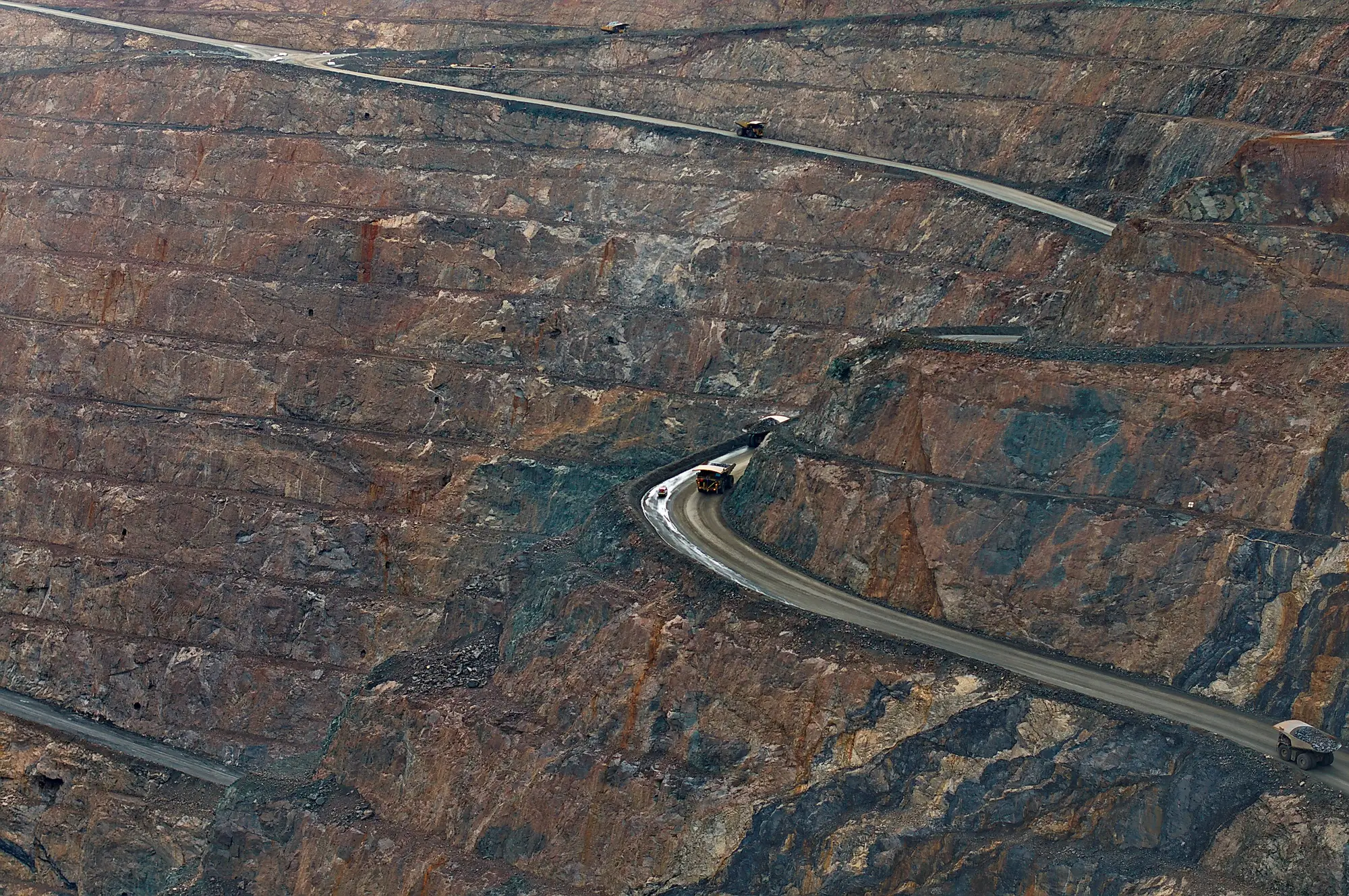
A Competent Person's Report, usually just called a CPR, is the document a mine's resource and reserve estimates get written up in by a qualified person under a reporting code like JORC (Australia), NI 43-101 (Canada), or SAMREC (South Africa). Lenders, equity investors, and bond underwriters ask for one before they commit capital to a mining project. It's the closest thing the industry has to an independent, standardized statement of what's actually in the ground and how confident the operator should be in that number.
What goes into a CPR
The report itself runs long, often 150 to 400 pages, and covers geology, resource classification (measured, indicated, inferred), reserve conversion, mine design, processing assumptions, and a capital and operating cost estimate. The "competent person" signing it is a specific role: someone with relevant professional qualifications and enough years on similar deposits to put their name and registration number behind the numbers.
Under JORC, that person is personally accountable if the report misrepresents the deposit, and that accountability is a big part of why lenders lean on the CPR so heavily. The numbers carry a professional's license, backed by registration and years on similar ground, not just the mine's own internal estimate.
For project finance, the CPR usually sits underneath the loan documentation as the technical basis for the reserve figure the whole facility is sized against. A bank underwriting a mine loan isn't going to take the operator's word for how many tonnes of ore are recoverable. It wants a CPR, and often an independent technical consultant to review that CPR again, before money moves.
Where a CPR stops being useful for monthly monitoring
A CPR is a snapshot, commissioned once at financing close or refreshed every year or two, sometimes longer if nothing material has changed on the deposit. It tells you what the ground looked like and what the mine plan assumed on the date the competent person signed off. It does not tell you whether the operator pulled 40,000 tonnes out of the pit last month or 25,000. That's a different question, and the CPR was never built to answer it on a rolling basis.
That gap is where a lot of covenant monitoring gets stuck. A loan agreement typically requires quarterly or annual production reporting tied back to the reserve model in the CPR. The month-to-month figure comes from the mine itself: survey data, truck counts, or a reconciliation report produced by the same team whose draw schedule is being measured. For a financier holding a covenant tied to extraction pace, that's a number you're told, not one you pulled yourself.
Pit Progression was built for that gap. It doesn't replace a CPR and it isn't a reserve estimate. It takes very-high-resolution stereo imagery of the pit from one month to the next, differences the two elevation surfaces, and turns that into a moved-material volume you can set against the mine plan or a covenant threshold without waiting on the operator's own reporting. If your loan documentation already references the CPR's reserve and production schedule, this is the piece that checks whether the monthly draw is tracking it. The monthly extraction tracking page walks through how the volume number and the underlying surfaces get delivered.
A quick way to tell the two apart
The CPR answers how much is down there and whether the mine plan is technically sound. Pit Progression answers whether the pit moved the amount of material the plan called for this month. One is a periodic, deposit-level technical opinion, refreshed on whatever cycle the loan documents require. The other is a recurring, site-level measurement, run every month regardless of what the operator reports. Project financiers tracking a covenant usually need both running at the same time, on their own schedule rather than the operator's.
If a covenant on your books is tied to extraction pace and you want a monthly number independent of what the site tells you, that's the gap Pit Progression fills.