What is a cure period, and how does it apply to a missed extraction covenant?
A plain explanation of cure periods in mine loan agreements and how they work when a production or extraction covenant gets missed.
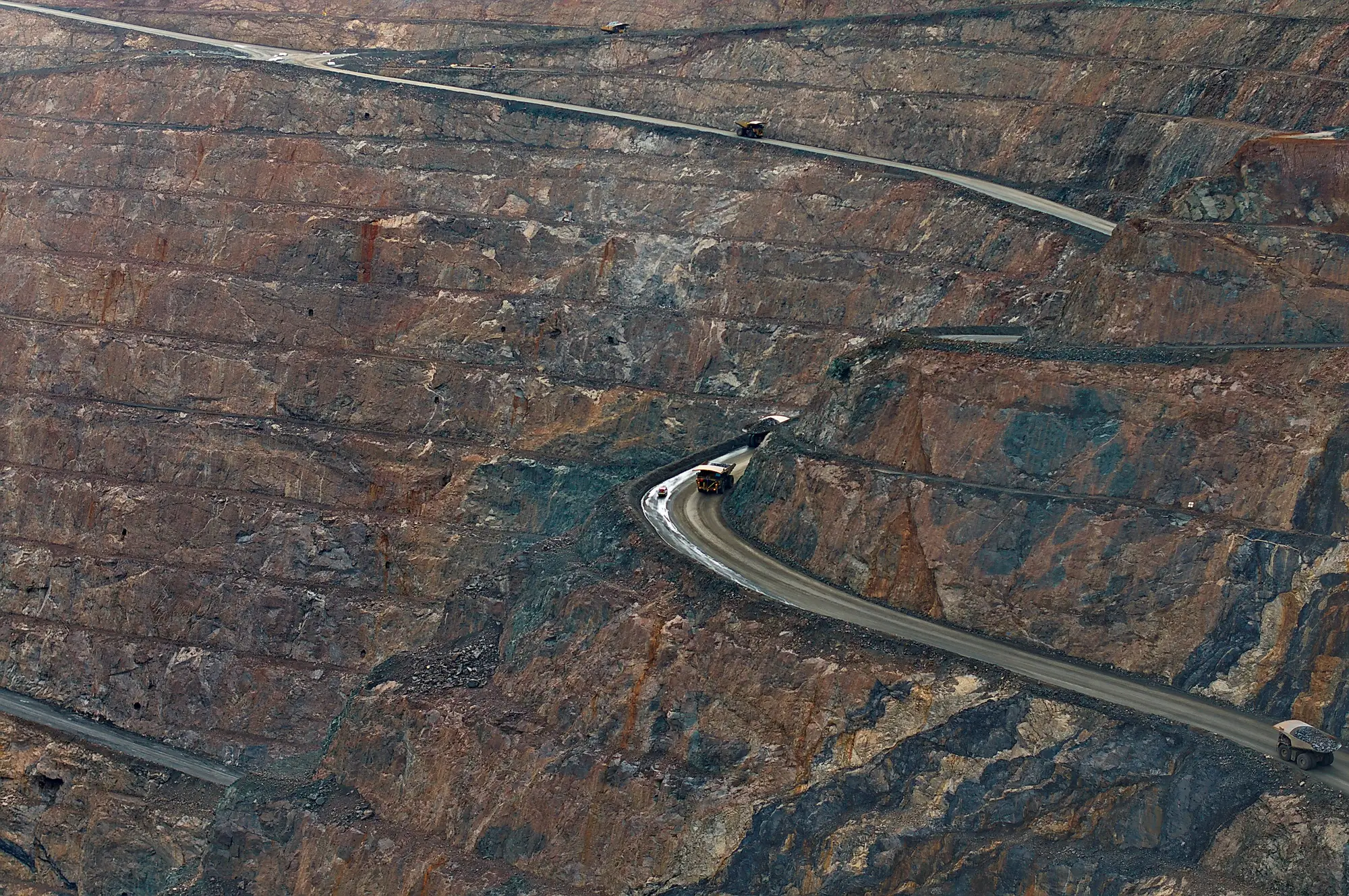
A cure period is a fixed stretch of time written into a credit agreement: the number of days a borrower gets, after a reported covenant miss, to bring the number back into compliance. For an extraction or production covenant, that miss is usually a reported tonnage or volume figure falling short of what the mine plan or facility agreement requires over a stated period, often a quarter or a trailing twelve months. Until that window runs out, the lender can't call an event of default on the breach.
Cure period language is boilerplate in most project finance and reserve-based lending agreements. It sits in the same article as the covenant it protects, and the structure looks similar whether the covenant is financial or operational. What's specific to mining is what triggers the clock and what counts as evidence once it's running.
How the clock usually starts
Most extraction covenants are measured against a defined compliance date: the borrower delivers a compliance certificate, often tied to the monthly or quarterly operating report, and the lender's agent checks the reported volume against the covenant threshold in the credit agreement. A miss on that certificate is what starts the cure period, not the underlying shortfall on the ground. If reporting lags actual production (and on active sites it often does), the clock can start later than the shortfall itself.
Cure periods for production covenants tend to run longer than ones for financial ratios like debt service coverage, because moving material back toward plan takes equipment time and weather cooperation, not just a wire transfer. The agreement will spell out the actual number of days; there's no industry-standard length worth quoting here, it's negotiated and sits in the covenant schedule.
What the borrower has to show during the window
Curing a missed extraction covenant usually means one of three things: catching up tonnage within the cure period, amending the covenant level with lender consent, or, if neither happens, waiving the breach for that period. The first option is the one that actually requires a volume figure both sides can agree on, and that's where disputes get expensive.
A borrower citing recovered tonnage from its own dispatch system or grade-control software is citing a number the lender didn't produce and often can't independently check without a site visit. If the mine's reported recovery during the cure window is the only evidence on the table, the lender's options are to accept it, send someone to verify it in person, or push the compliance date and keep arguing. None of those are fast, and a cure period that's already tight gets tighter when the first two weeks go to arranging a site visit.
Why the evidence question matters more than the legal mechanics
The cure period mechanism in the loan document is standard language. What varies deal to deal is whether the lender has a way to check the borrower's catch-up number without depending on the borrower's own reporting chain. For a covenant default remedy to mean anything, the volume figure behind it has to come from somewhere other than the party trying to cure the breach.
This is the gap an independent elevation read closes. Comparing the pit surface at the start of the cure window against the surface at the end turns into a moved-material figure that doesn't run through the mine's production system at all, which is exactly what a monthly volume read built from elevation data, not the operator's own numbers is for. It won't shorten the contractual cure period or change what the credit agreement requires, but it gives whoever is deciding whether the covenant is cured a number they didn't have to take on faith.
If a missed extraction covenant is sitting in a cure window right now, Pit Progression can put a volume figure behind the elevation change before that window closes.